Reading The Wind
Wind
Wind, scientifically seen, is the movement of the air. In nature, wind is both a destroyer as well as a creator. The omnipresent entity can transform rocks into sand (Aeolian sedimentation) as well as destroying whole forests or moving around dunes. On the other hand, wind can help pollinating plants, so called wind pollination, or it carries seeds allowing plants to spread.
Mankind made use of the wind’s powers, using it as a driving force for ships or a production force trough wind mills. In many cultures wind was personified as gods, each of which represents the specific characteristics of the wind from the specific direction at the region the religion was executed. Regarding directions the wind was subdivided, the various cultures used different classification systems. Our visual representation of the wind directions today, the wind rose, uses eight directions. The rose remains a strong symbol and way of visualization for wind directions and so has a strong interconnection to the wind.
The connection between wind and gods as well as the omnipresence of it lets us draw a connection to today’s digital world, where digital signals full of knowledge fill our current space. Both wind and the digital signals are omnipresent and drive our progress. We access this all-knowing ether through our digital devices. Large LLMs and search engines have become the new spokespersons or oracles. Similar to the digital signals wind gods were also called for help.
The brush
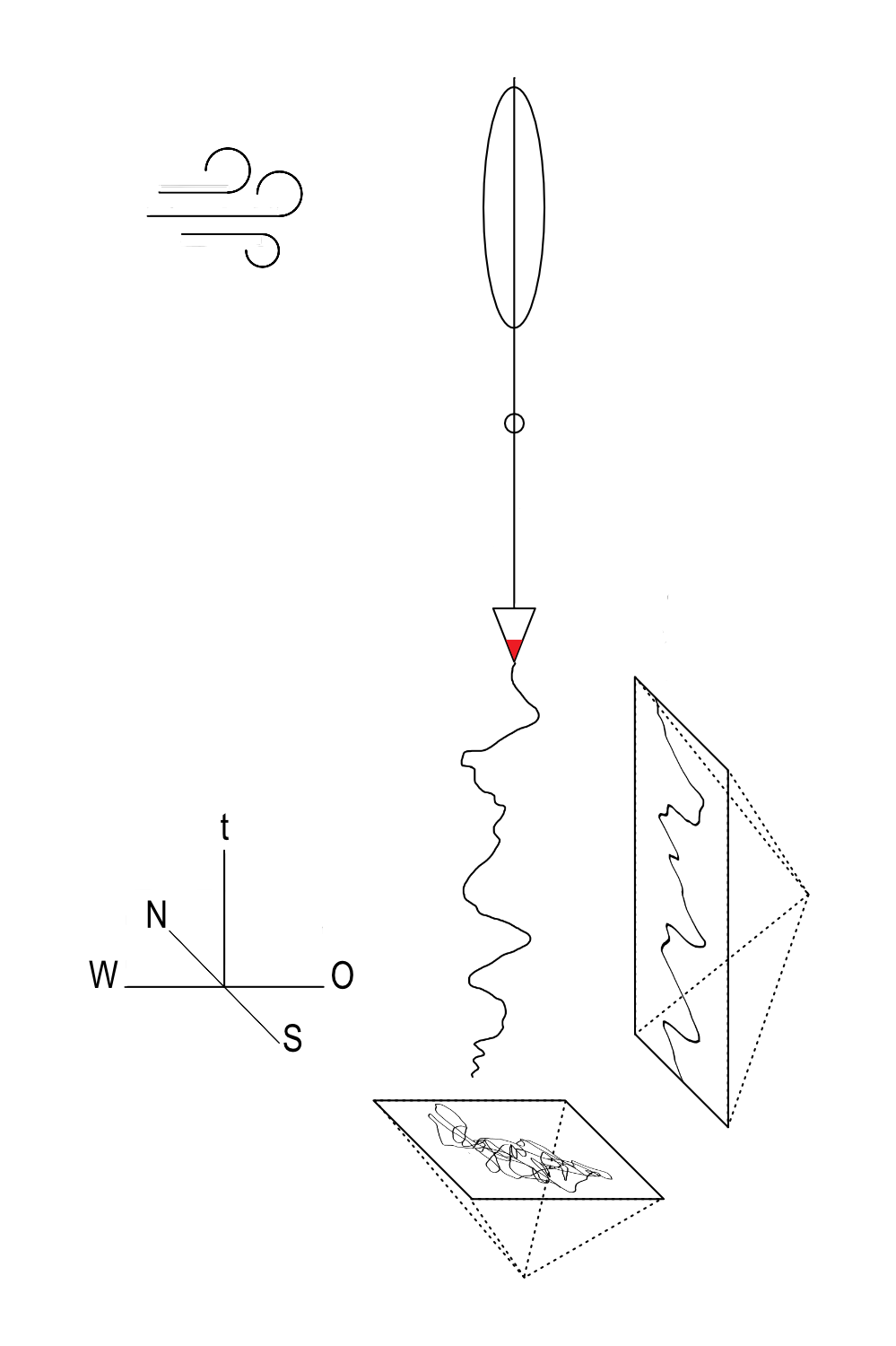
By knowing this history of the wind as well as its different facets, we can start developing a brush for the different winds. Looking at a painter’s brush, it acts as a decoder for the painters’ thoughts as well as a translation tool for the hand’s movements and the ideas. It empowers painters to visualize something non-visible, something only existing as electromagnetic signals in the brain. A brush is a tool which transforms movements in time into spatial traces of time. This concept of temporal states being inscribed into space creates the base idea for our windbrush.
Looking at the natural phenomena of the wind, it shows an extreme volatility. Wind itself is constantly changing in time and space. At no time span the wind is the same or reveals the exact same patterns. We can also see that the wind is different at every point in space. The windbrush grasps these fugitive states and transforms them into spatial figures resisting time.
Data & Algorithms
Data is raw material. It acts as a potential, a fertile soil for something to grow. A space full of signals, white noise created by overlapping information. Poetry the art of writing text with order and syntax, orders this mess, clearing up the chaos. Poetry was seen as the highest form of "techne"(human arts and crafts) for the Greeks.
With the shift to a digital world, poetry changed its forms. A digital text starting to become alive. A machine, working only in a very specific medium, the digital space. The strong structures and syntaxes of computer programs draw a line to classical poetry. Writing code is still seen as something difficult and complex, executed only by well-educated people.
Like a plant transforming the air’s CO2 into building material, codes and algorithms extract, crystallize information from the huge datasets. Extracting and structuring information by making it visual.
Roses
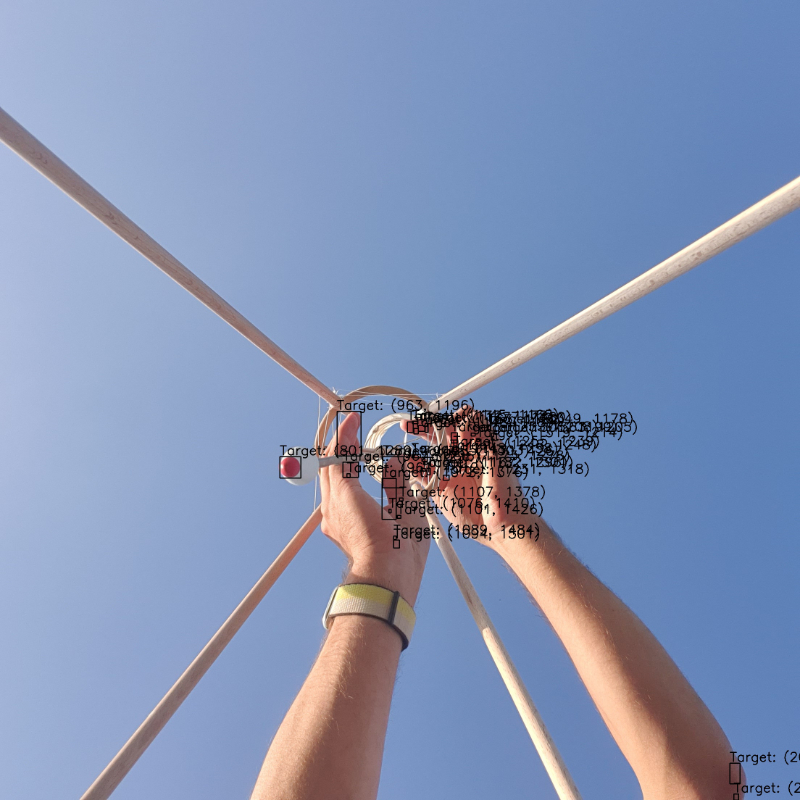
As seen earlier in this text, roses share a long history together with the wind. These flowers have been a metaphor and visualization for the wind directions. The flower has become an orientation tool in space. They have been given the ability to show us something only sensible on our skins (if we let away the wind impacted objects surrounding us). The rose gives our eyes access to a phenomenon only sensible tactilely. Situation-specific wind roses even represent the dimension of time since they are based on long-term records.
Related works


copyright Jonathan Bitterli 2025